AI and Quality Control in the Food and Beverage Industry

Articles
The global market for AI applied to food safety and quality control is experiencing unprecedented growth.
Projections indicate it will reach a value of nearly USD 13.7 billion by 2030, driven by growing demand for safer, more efficient, and automated processes throughout the entire food supply chain.
This boom is the result of a technological transformation that has matured over the past decade. Comparing where we were 10 and 5 years ago with the present allows us to fully grasp the magnitude of the change.
A Decade of Transformation
Ten years ago, quality control depended almost entirely on human labor: visual inspections, spot sampling, and fragmented documentation processes. While functional, these methods were slow, costly, and prone to errors, especially in high-volume production environments.
About five years ago, cameras, sensors, and basic automation systems began to be adopted. Digitalization was entering the plant, but without true integration or advanced analysis capabilities. Data existed, but it was not transformed into actionable decisions.
Today, with the maturity of machine learning, computer vision, and robotics, the industry has taken a qualitative leap:
AI enables continuous, consistent, and predictive monitoring, replacing reactive inspections with intelligent control that adjusts in real time.

How AI Makes a Difference
Automated Inspection
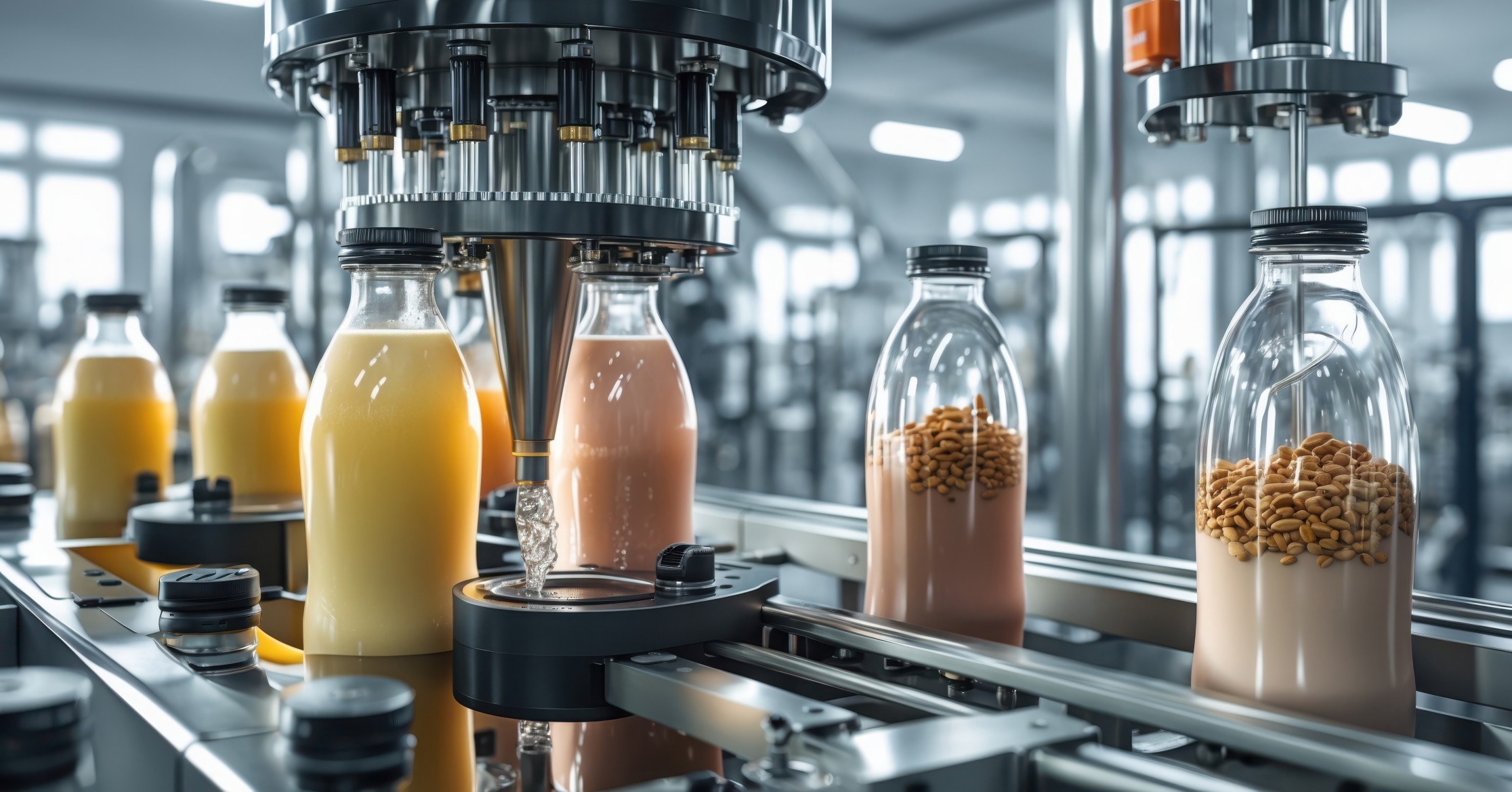
AI-based systems analyze thousands of images per minute, detecting defects in shape, color, texture, or packaging with a precision impossible to replicate manually. Inspection stops being a bottleneck and becomes a smooth, continuous process.
Contaminant Detection
AI can learn complex patterns from chemical, physical, and microbiological data. This allows risks to be identified before a product reaches distribution, reducing recalls, economic losses, and reputational damage.
Advanced Traceability
The combination of AI, IoT, and blockchain enables tracking of every batch from ingredient origin to the final consumer. Audits are faster, certifications are simpler, and incident responses are more efficient.
More Efficient Processes and Less Waste
By analyzing production patterns, AI optimizes consumption, automatically adjusts parameters, and reduces waste. The improvements are not only economic but also environmental.
The Gap Between Leaders and Laggards
AI adoption is creating a clear divide between two types of companies:
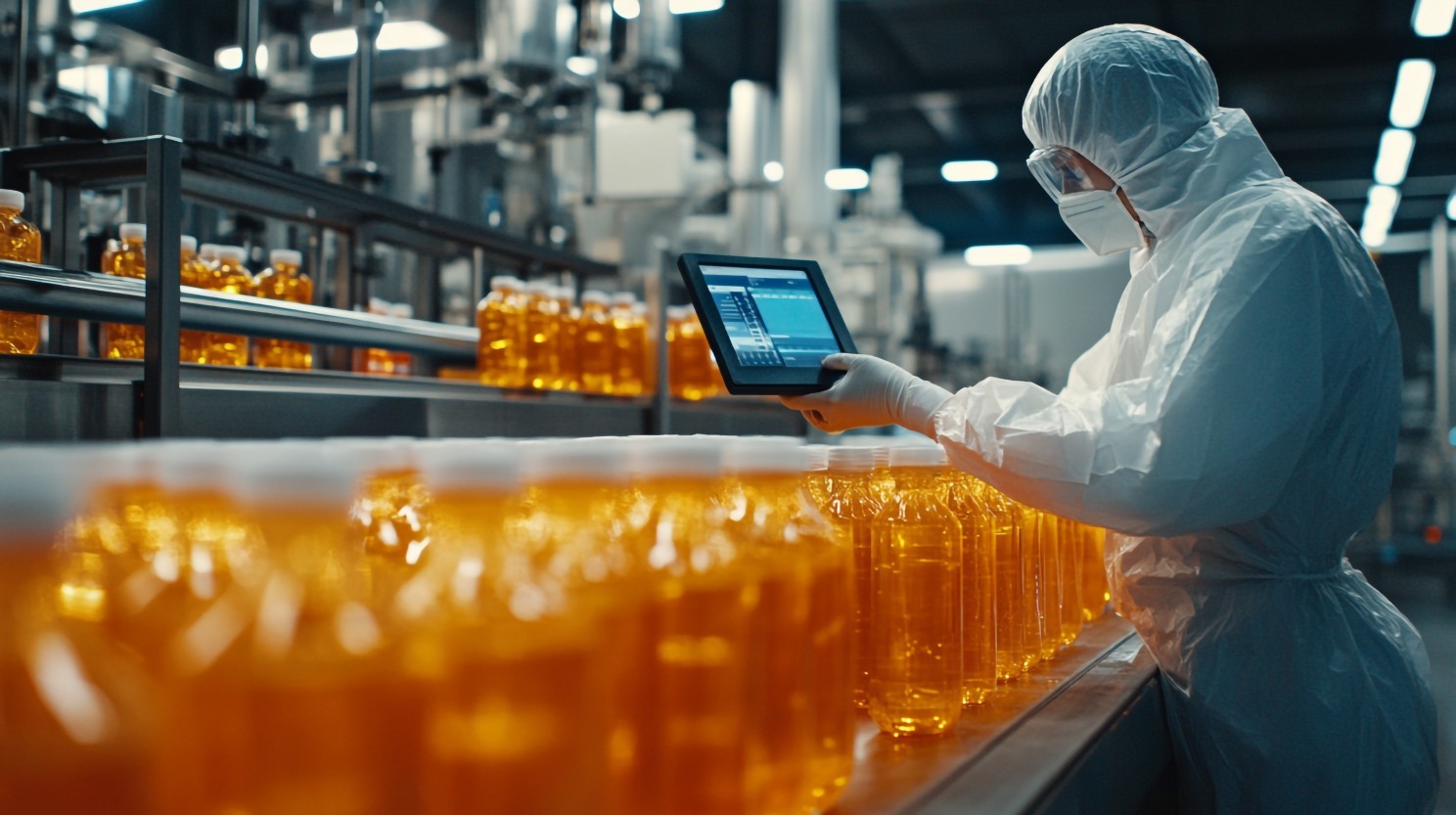
Companies that digitalize, automate, and use AI: operate more efficiently, comply with regulations with less effort, reduce costs, and minimize risks.
Companies that continue with traditional processes: experience more errors, more complex audits, higher waste, and slower response times.
Each passing year, this gap widens, making it increasingly difficult for lagging organizations to regain competitiveness.
Safety, Quality, Traceability… and Efficiency
Artificial intelligence is now part of the operational core of the modern food industry. It is not an experimental tool or a future project; it is an essential component to ensure safety, quality, traceability, and efficiency.
Companies that understand this and act now will be prepared to lead in the coming years. Those that do not will continue operating at a disadvantage in a sector where precision and speed make all the difference.