HACCP and EFSA: Why They Remain Essential in the Food Industry

Articles
Modern food safety combines preventive systems with scientific oversight to ensure safe food in an increasingly complex industrial context.
HACCP and EFSA have paved this path for decades, and today, artificial intelligence enhances their application with predictive, automated, and data-driven models.
Next, we explore how HACCP and EFSA originated, why they remain essential in the food industry, and how artificial intelligence is redefining prevention, control, and decision-making in food safety.
HACCP: A Preventive System from Space

HACCP (Hazard Analysis and Critical Control Points) was born in the 1960s in an unconventional setting: space exploration.
NASA needed to ensure that its astronauts’ food was 100% safe, because even a small error in the food could compromise multi-million-dollar missions and the lives of those traveling in space.
To achieve this, NASA partnered with Pillsbury (a food company known for its baked goods) and U.S. regulatory authorities.
Together, they developed a preventive approach that, for the first time, shifted food safety from simple end-product inspection to monitoring every stage of the process.
A System Based on Critical Control Points (CCP)
At Pillsbury, engineers and food chemists adjusted formulas and studied how heat, humidity, and packaging could affect food safety.
Using this knowledge, they designed a system based on Critical Control Points (CCP) that identified potential biological, chemical, and physical hazards, and implemented measures to prevent them before they occurred.
The philosophy was clear: "Don’t wait for an error, prevent it."
This revolutionary approach was adopted by the FDA and USDA, and in the 1990s, the WHO and FAO promoted it as a global standard.
EFSA: Origin and Initial Impact

In 2002, following food crises such as mad cow disease and dioxin contamination, the European Commission created EFSA (European Food Safety Authority).
Its goal: to monitor risks and provide rigorous scientific advice through panels of experts in microbiology, toxicology, nutrition, and food safety.
Initial Impact
At first, EFSA faced resistance from some industries that feared strict standards would halt production.
Over time, it proved that complying with EFSA protects public health, improves efficiency, and strengthens company reputations, establishing a culture of prevention and traceability that now serves as an international model.
Transformation with AI
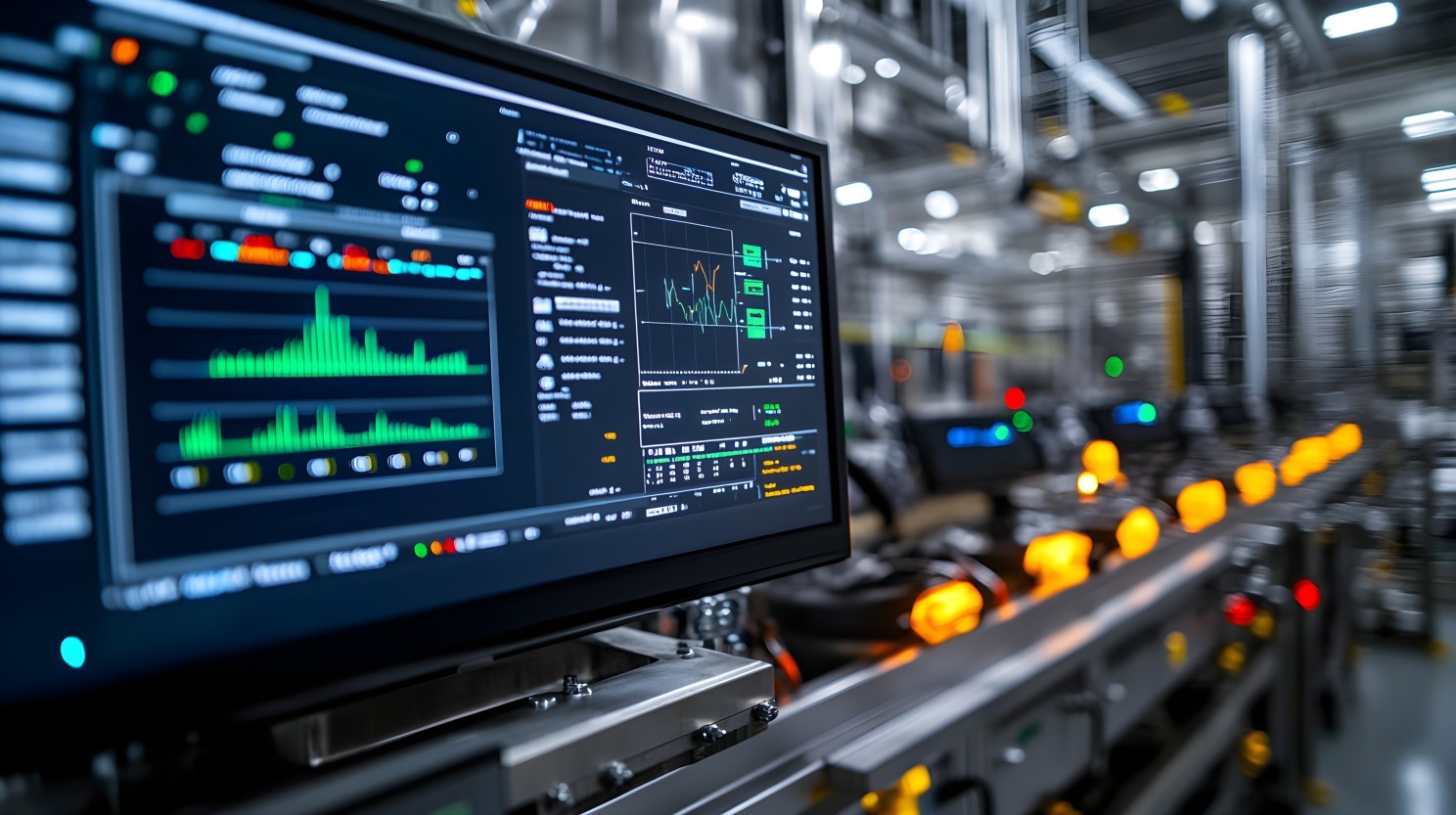
The rise of artificial intelligence is revolutionizing how HACCP and EFSA are implemented and monitored:
Real-time monitoring: Smart sensors and cameras detect defects, contamination, and deviations instantly.
Automated traceability: AI combined with blockchain records every step of the product, facilitating audits and tracking affected batches.
Automated reporting and audits: AI processes production and laboratory data to generate HACCP and EFSA compliance reports ready for inspection.
Prediction and prevention: Machine learning models anticipate microbiological or chemical risks, activating preventive controls and minimizing product recalls.
Process optimization: AI identifies operational improvements and ensures CCPs remain within established limits without constant human intervention.
The Future of the Industry: HACCP + EFSA + AI
HACCP and EFSA remain essential for food safety, but integrating AI is enhancing their effectiveness.
The combination of prevention (HACCP), regulatory oversight (EFSA), and advanced automation (AI) represents the future of the industry: safer food, more efficient processes, and real-time, data-driven decision-making.